

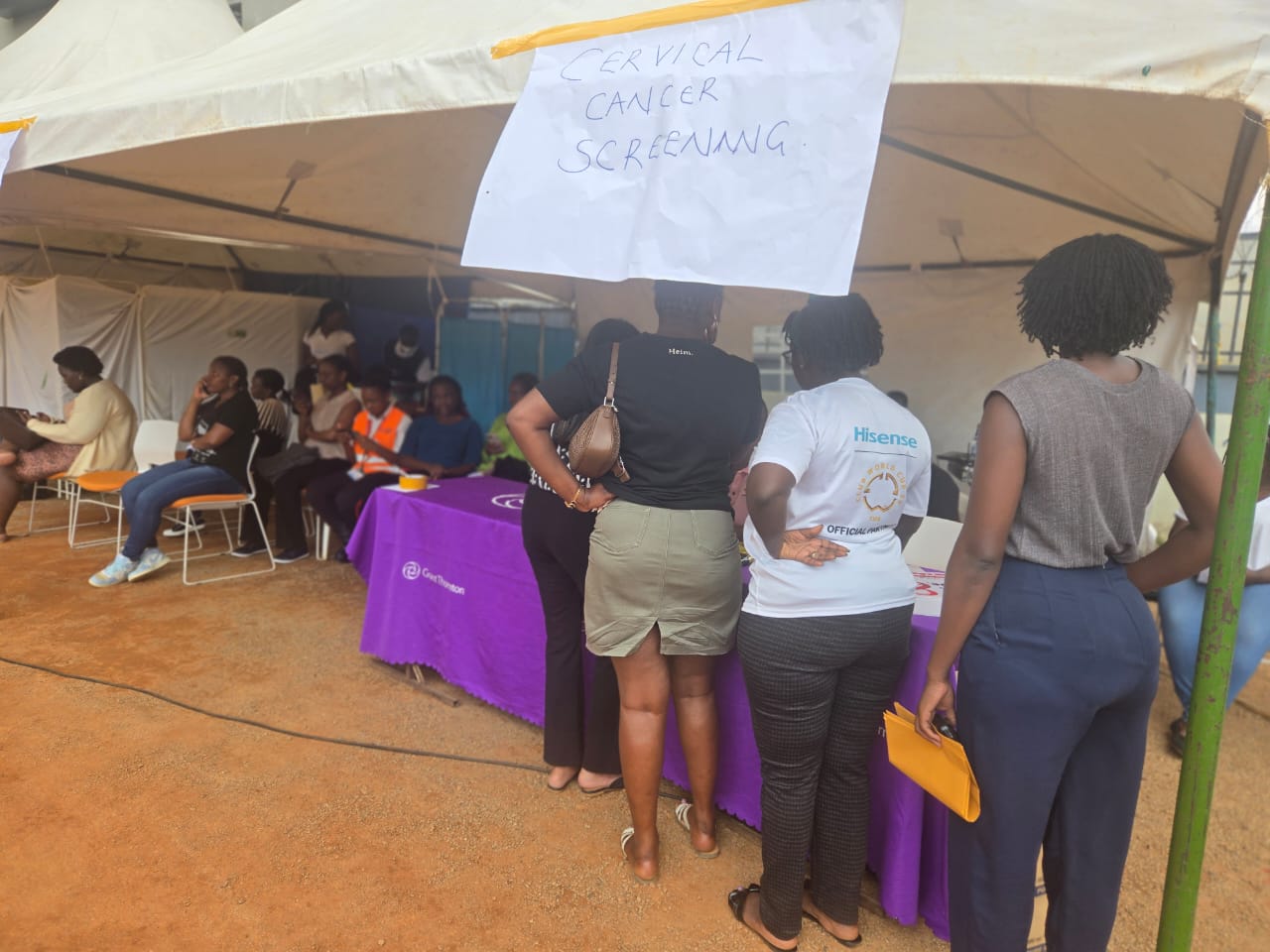
The Uganda Cancer Institute (UCI) has partnered with the Grant Thornton Foundation to offer free cancer screening services as part of efforts to raise awareness and promote early detection of major cancers affecting Ugandans.
The outreach, organized in the lead-up to International Women’s Day, focuses on screening for cervical cancer, breast cancer and prostate cancer — conditions that health experts say continue to cause significant illness and deaths due to delayed diagnosis.
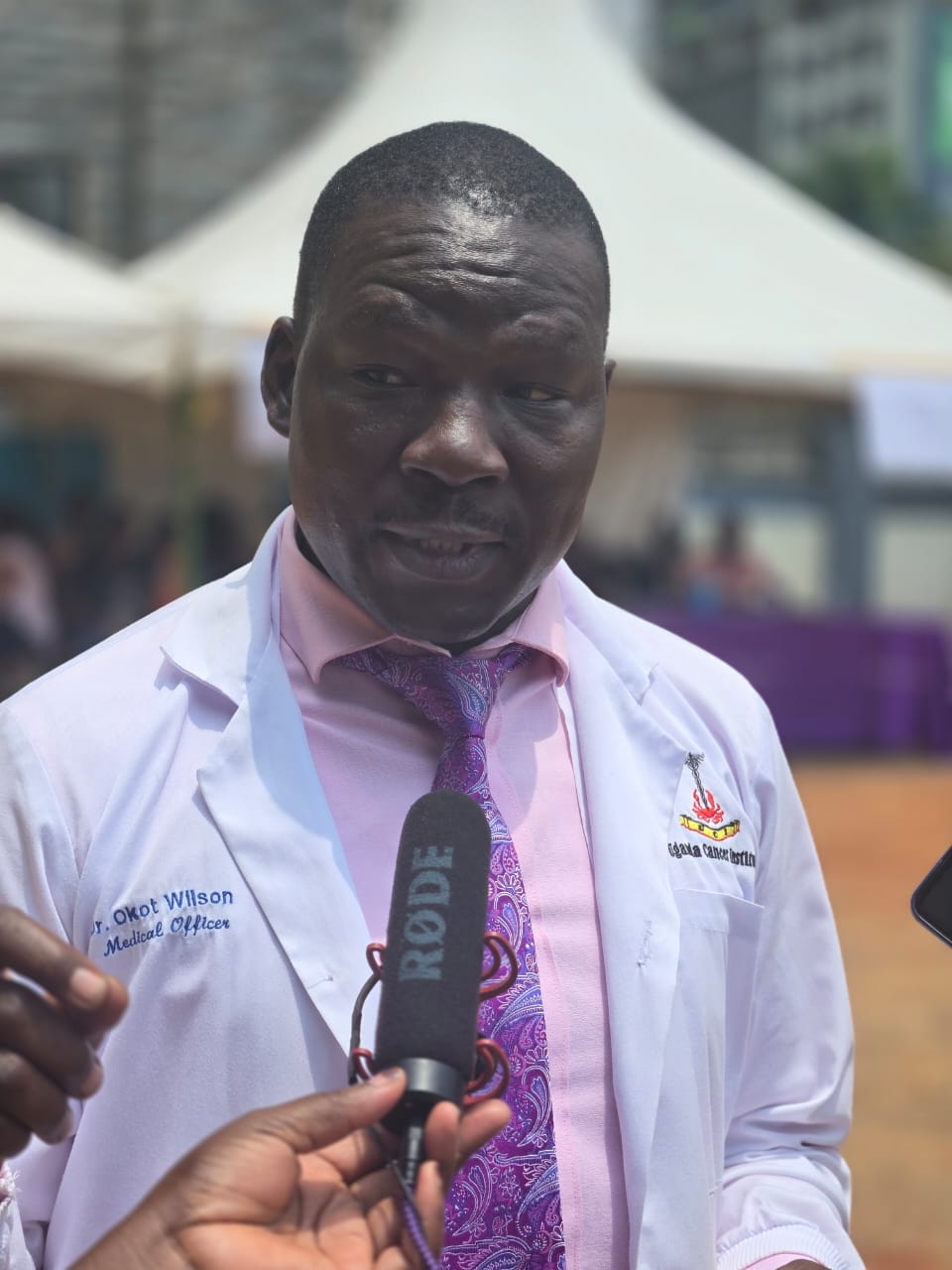
Speaking during the screening exercise, Dr Wilson Okot from the Uganda Cancer Institute said the initiative aims to encourage routine testing and early treatment for people found with suspicious symptoms.
“Cervical cancer is one of the leading causes of cancer death in our country. That is why we are emphasizing early diagnosis, because when cancer is detected early, we have almost a 100 percent chance of total cure,” Dr. Okot said.
He explained that the screening exercise allows medical teams to detect early warning signs of cancer, enabling patients to undergo further diagnostic tests and begin treatment in time.
“When we pick suspicious lesions during screening, we take patients for further testing and diagnosis so that care and treatment can start earlier,” he added.
Health experts say breast and cervical cancers remain among the most common cancers affecting women in Uganda, making screening and public awareness critical.
During the outreach, medical teams conducted clinical breast examinations, with further investigations such as ultrasound scans or mammography recommended when necessary.
“Breast cancer is also one of the leading causes of cancer death in women. Men can also develop breast cancer, but it is more common among women,” Dr. Okot explained.
The screening exercise also targeted cervical cancer, which is largely linked to infection with the human papillomavirus (HPV).
“Cervical cancer is mainly caused by infection with the human papilloma virus. It is sexually transmitted and not related to witchcraft or family blood links as some people believe,” Dr. Okot said.
Uganda’s prevention strategy includes HPV vaccination for girls aged between 9 and 12 years, a measure intended to protect them before exposure to the virus.
The program also provided screening for prostate cancer, particularly targeting men aged 40 years and above.
According to Dr. Okot, ultrasound imaging helps medical teams determine whether prostate enlargement is cancerous or a benign condition.
“If the prostate is enlarged abnormally, it can affect urination and sexual health. Through screening, we can determine whether it is cancerous or simply enlargement and manage it appropriately,” he said.
Further tests, including blood tests and tissue sampling, may be carried out if doctors suspect cancer.
Despite the growing burden of cancer in Uganda, Dr. Okot noted that awareness and access to screening services remain uneven across the country.
“The burden of cancer could be similar in both urban and rural communities. However, people in urban areas are more sensitized and have easier access to screening programs and care,” he said.
To improve access, the Uganda Cancer Institute has expanded outreach programs and is establishing regional cancer centers across the country to bring services closer to communities.
The Grant Thornton Foundation said the initiative forms part of its broader mission to empower women and strengthen community well-being.
Smitha Venugopal, Director of the Foundation, said the organization has partnered with the Uganda Cancer Institute for several years to address the rising burden of women’s cancers.
“Our mission is to give back to the community through initiatives in health, education, governance and the environment. Women’s health is a key part of that commitment,” Venugopal said.
She noted that over the past five years the foundation has observed increasing cases of breast and cervical cancer, partly due to limited awareness about symptoms and early detection.
“Many women are still unaware of cancer risks and the importance of early detection. Through this collaboration, we want to provide free screening services while educating women about their health,” she said.
The outreach also included HIV testing and health education designed to encourage positive health practices among women and communities.
“When women are empowered and confident about their health, it creates a ripple effect that benefits families and the wider community,” Venugopal added.
Medical experts warn that many cancers remain silent in their early stages, meaning individuals may not experience symptoms until the disease has progressed.
Doctors therefore encourage people to seek medical attention if they notice symptoms such as unusual bleeding, persistent discharge, breast lumps or unexplained pain, and to attend routine screening whenever possible.
Health officials say initiatives such as this community screening drive are crucial in improving early detection and increasing survival rates among cancer patients in Uganda.
